
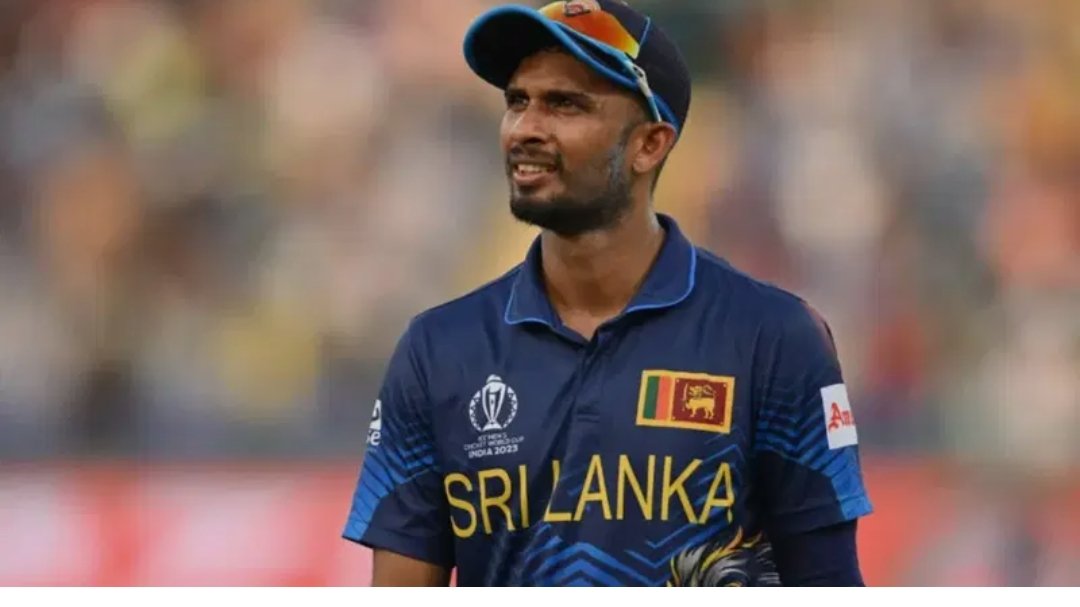

Sri Lanka all-rounder Dasun Shanaka has been handed a one-year ban from the Pakistan Super League after being found guilty of breaching his contractual obligations with both the league and Lahore Qalandars.
Shanaka, who was signed by Lahore Qalandars for PKR 75 lakh for the PSL 2026 season, withdrew from the tournament on March 21. Just a day later, he joined Rajasthan Royals in the Indian Premier League as a replacement for Sam Curran.
PCB Statement on Breach
The Pakistan Cricket Board confirmed that Shanaka’s withdrawal was deemed a unilateral decision that violated league regulations.
“The player’s unilateral withdrawal from the tournament constituted a clear breach of both the Player Registration terms and the Tripartite Agreement. The withdrawal was made on grounds not recognized within the existing contractual framework,” the PCB said in its review.
The board acknowledged Shanaka’s apology during the formal hearing but stressed that disciplinary action was necessary to “maintain the integrity and exclusivity” of the league.
Shanaka Issues Apology
Shanaka, 34, expressed regret over the incident in an official statement:
“I deeply regret my decision to withdraw from the HBL PSL and offer my sincere apologies to the people of Pakistan, the fans of HBL PSL, and the wider cricket community.
The PSL is a prestigious tournament, and I fully understand the disappointment caused by my actions.”
He also clarified that he had no initial intention of joining another league at the time of withdrawal and reiterated his respect for Pakistani fans, expressing hope of returning in the future.
Growing Trend of PSL-to-IPL Switches
With the PSL increasingly overlapping with the IPL window in recent years, there has been a noticeable rise in players switching leagues mid-season.
Last year, Corbin Bosch opted out of a stint with Peshawar Zalmi to join Mumbai Indians. In the current season, players like Blessing Muzarabani and Spencer Johnson also left PSL contracts for IPL opportunities, with Muzarabani reportedly receiving a two-year ban.
The PCB’s firm stance in Shanaka’s case signals a stricter approach toward enforcing contractual commitments as the competition between global T20 leagues continues to intensify.