

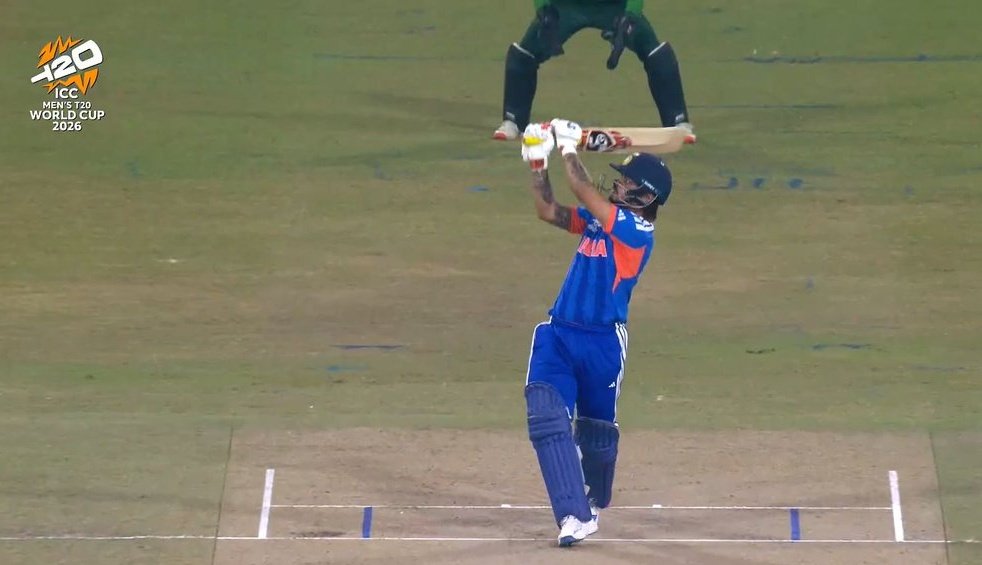

The India national cricket team have looked dominant in patches during the ICC Men’s T20 World Cup 2026, but one area continues to raise questions — the middle order.
While the top order has provided strong starts, India’s No. 4 to No. 7 positions haven’t consistently delivered under pressure. And in T20 cricket, that can be costly.
1️⃣ Over-Dependence on the Top Order
India’s openers have often laid solid foundations. However, when early wickets fall, the middle order has struggled to:
- Stabilize the innings
- Rotate strike effectively
- Accelerate against spin
In knockout-style games, middle overs often decide the contest — and that’s where India have looked vulnerable.
2️⃣ Strike Rate vs Stability Dilemma
The team appears caught between two approaches:
- Anchors who consolidate but slow down
- Power-hitters who attack but lack consistency
This imbalance has led to phases where India lose momentum between overs 7–15 — the most critical period in T20 cricket.
3️⃣ Struggles Against Quality Spin
Oppositions have targeted India’s middle order with spin in the middle overs. On slower surfaces:
- Boundary options reduce
- Dot balls increase pressure
- Risky shots lead to collapses
Teams have clearly identified this as a tactical area to exploit.
4️⃣ Finishing Role Not Clearly Defined
In previous successful campaigns, India had clearly defined finishers. In 2026:
- Roles appear fluid
- Batting positions have shifted frequently
- No settled combination has emerged
That lack of stability can hurt in crunch moments.
5️⃣ Knockout Pressure Factor
T20 World Cups are rarely won by teams relying solely on top-order runs. Semifinals and finals often demand:
- Recovery from 30/3
- 60 runs in the last 5 overs
- Smart partnerships under pressure
Unless the middle order finds consistency, India’s campaign could hinge on perfect starts — an unrealistic expectation at this level.
The Bigger Question
India clearly have the talent. The issue is execution under pressure and clarity in roles.
If the middle order clicks at the right time, they remain title contenders. If not, this weakness could once again surface in the business end of the tournament.