

In recent years, the Indian Premier League (IPL) has found a way to keep fans talking even in the off-season — thanks to the player-trading window.
This system isn’t new (the first-ever IPL trade happened back in 2009), but in recent times it has gained more attention. Why? Because franchises are now more willing to accommodate players’ personal wishes. The result: bigger, bolder, and sometimes shocking trades.
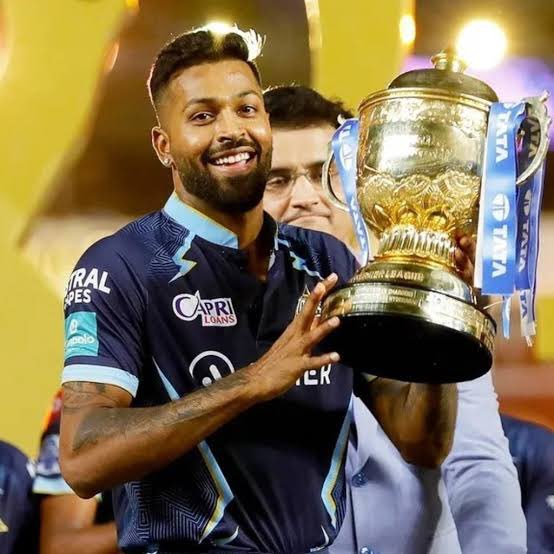
One of the most high-profile examples came in 2023, when Gujarat Titans’ captain Hardik Pandya returned to his first and “boyhood” franchise, Mumbai Indians, for an undisclosed sum.
Now, the 2025 off-season could see another blockbuster move — Rajasthan Royals skipper Sanju Samson is reportedly open to leaving, with Chennai Super Kings emerging as the leading contender for his signature. If this deal goes through, it could shake up the tournament before a ball is even bowled.
How Does the IPL Trade Window Work?
Think of it as the IPL’s version of football’s transfer market.
Example: If Samson wants to join CSK and RR agree to release him:
- CSK pays RR a transfer fee.
- Samson’s ₹18 crore salary with RR is freed up from their purse for the next auction and added to CSK’s expenses.
- Samson’s contract terms (like salary and duration) stay the same — only the jersey colour changes.
Why Transfer Fees Matter
Unlike the auction purse (where every team has the same limit to ensure balance), there’s no cap on transfer fees. This means a richer franchise could tempt a smaller one by offering a massive amount — and here’s the twist — this sum doesn’t even appear in the IPL’s financial books.
Players can be asked to take a pay cut of up to 50% during a trade, but that’s not mandatory.
Another Way to Trade: Player Swaps
Instead of cash, a franchise can offer other players in exchange.
Example: CSK could offer two players to RR for Samson, and if there’s a price gap, it’s settled in cash and reflected in the purse.
The Timeline of the Trading Window
- Opens: A month after a season ends (this year, July 3).
- Closes: A week before the auction.
- Pauses: During the auction itself.
- Reopens: Until a month before the next season begins.
Before the auction, any player already in a squad can be traded. Players bought fresh at the upcoming auction (say, IPL 2026) can’t be traded immediately.
Who Has the Final Say?
Trades need franchise-to-franchise agreement, but if a player refuses the move, their current franchise has the last word. If they decide to release him anyway, the player has no choice.
Notable Trades in Recent Years
- Hardik Pandya – Gujarat Titans → Mumbai Indians (2023) – ₹15 crore
- Cameron Green – Mumbai Indians → Royal Challengers Bangalore (2023) – ₹17.5 crore
- Avesh Khan – Lucknow Super Giants → Rajasthan Royals (2024) – ₹10 crore
The IPL trade window is no longer just a quiet formality — it’s now a high-stakes, off-season drama where money, strategy, and ambition collide. And if the Samson-to-CSK move happens, expect it to dominate headlines well before the first ball of IPL 2026 is bowled.