

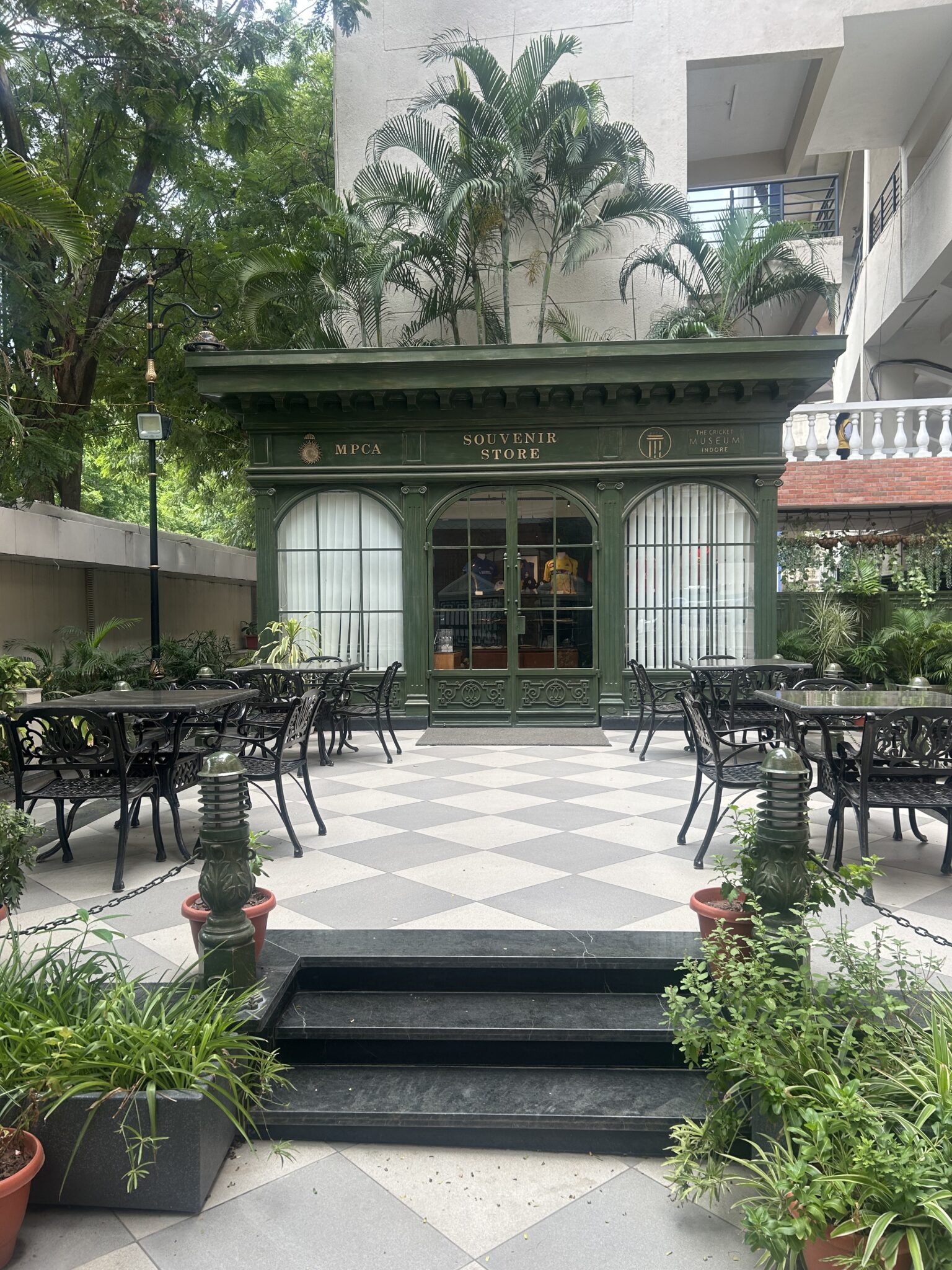

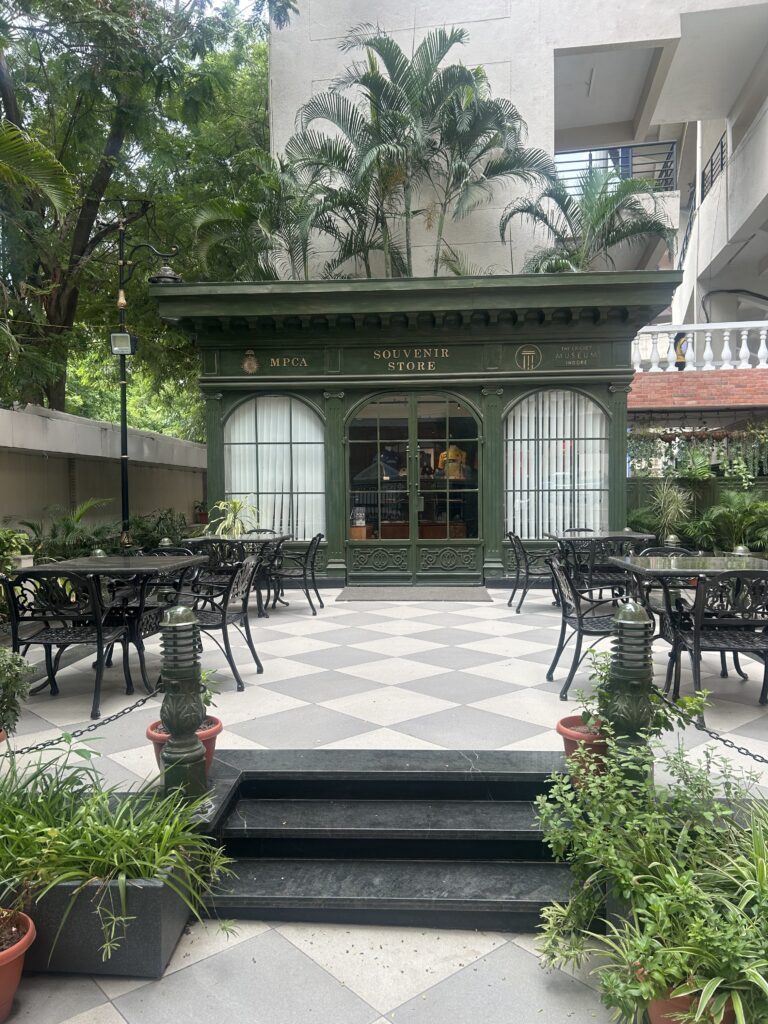
Madhya Pradesh’s first-ever cricket museum at the Holkar Stadium in Indore, offering fans a fascinating journey through the rich history of the game. The museum houses more than 300 rare cricket artefacts, showcasing the sport’s evolution from the 18th century to 2024.
Developed jointly by the Madhya Pradesh Cricket Association (MPCA) and the Blades of Glory Cricket Museum over a period of six years, the museum was inaugurated by Union Minister Jyotiraditya Scindia on July 7 and officially opened to the public on July 15.
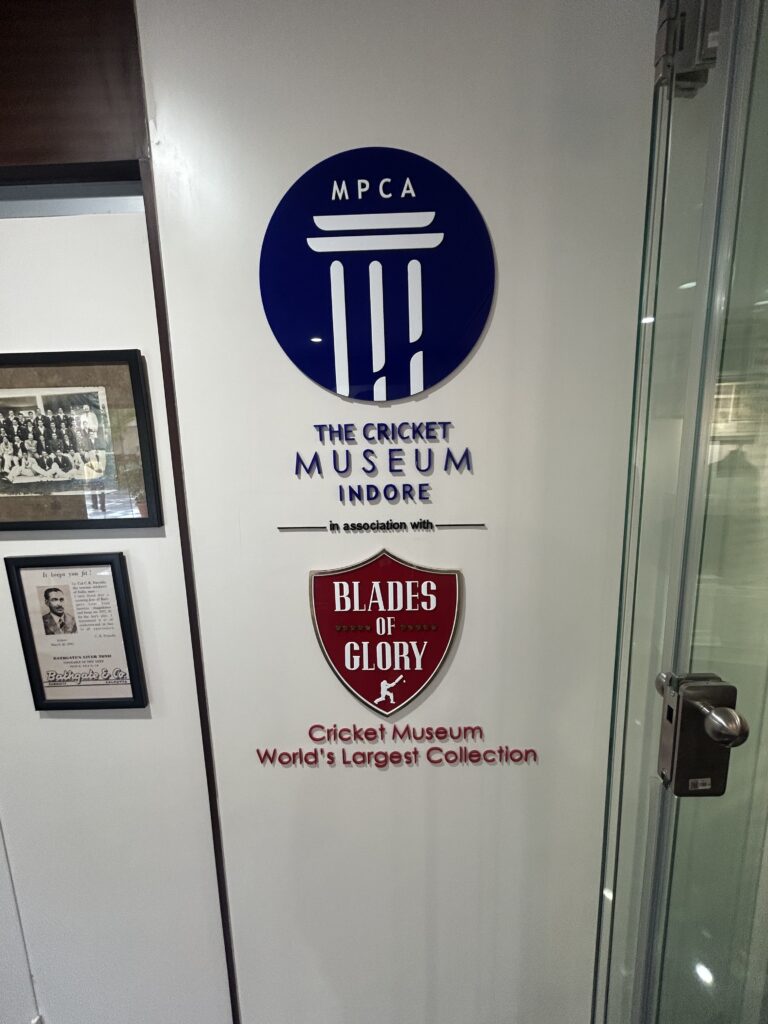
Located inside the iconic Holkar Stadium, the museum features an extensive collection of cricket equipment, jerseys, bats, trophies, rare books, photographs and memorabilia associated with some of the greatest names in the sport. One of the biggest attractions is the collection of Wisden Cricketers’ Almanack, often referred to as the “Bible of Cricket.” The museum houses every major Wisden edition from 1952 onwards, documenting the game’s history across generations.
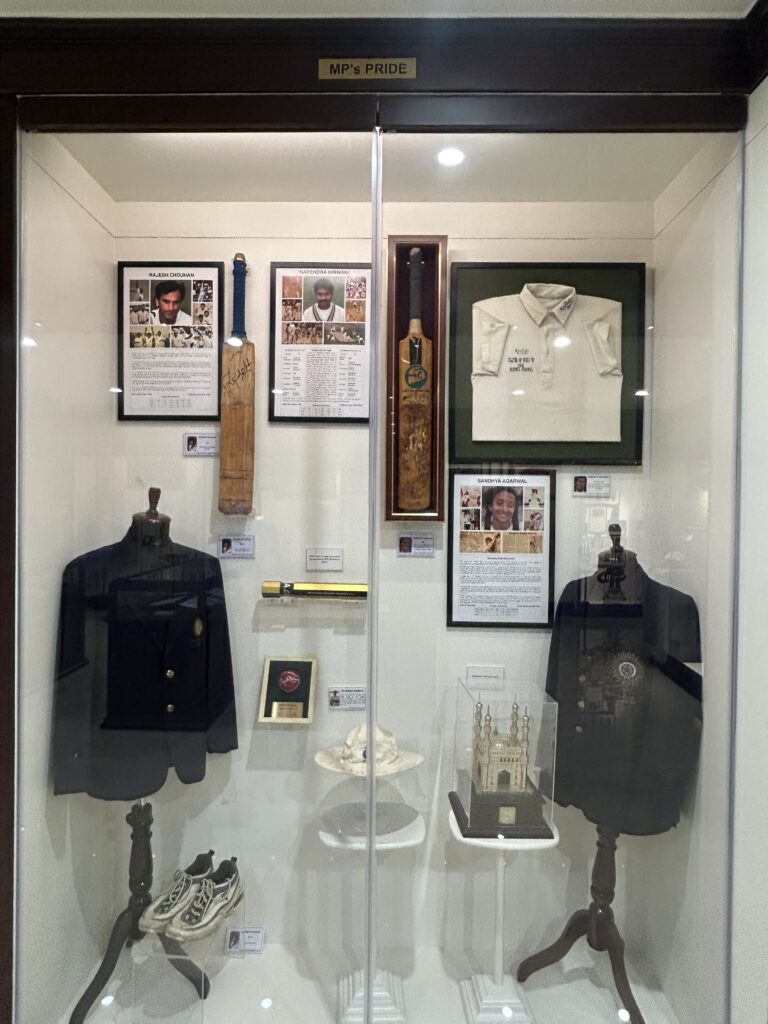
Among the prized possessions are the bats used by Sir Don Bradman and Sachin Tendulkar, along with the jersey worn by Virat Kohli during his memorable innings of 211 in Indore. Visitors can also see Shane Warne’s match-worn shirt, while memorabilia from Sourav Ganguly and Anil Kumble’s record-breaking performances further enrich the collection. A rare photograph featuring Sir Don Bradman alongside Sachin Tendulkar is another highlight.
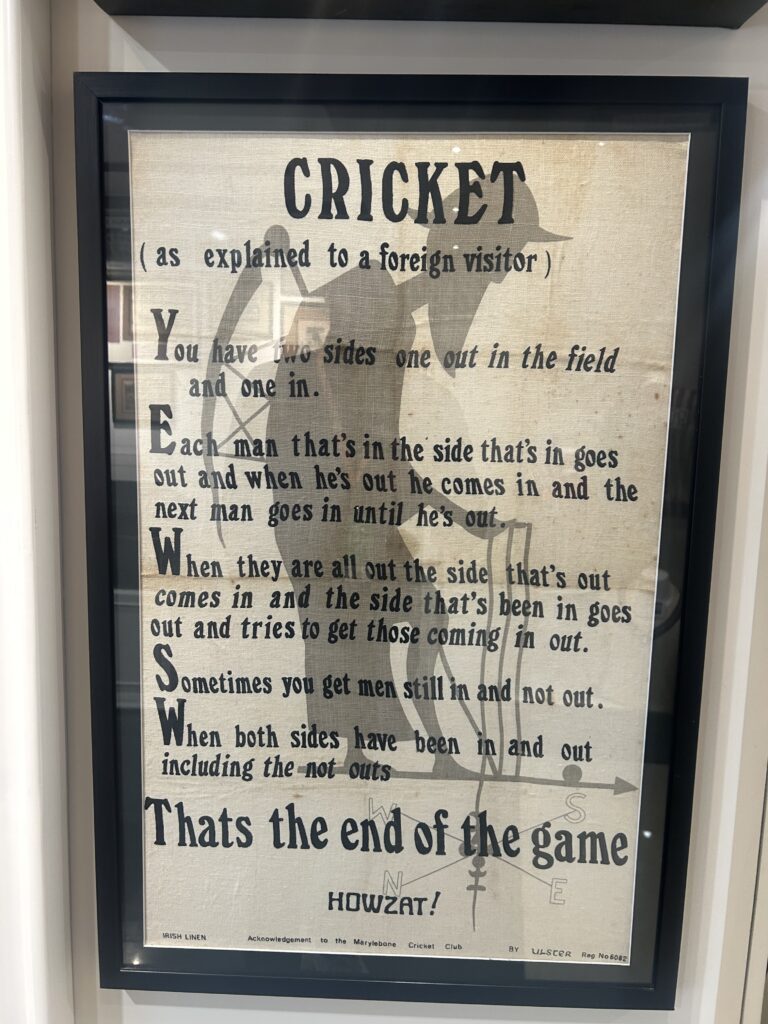
The museum also preserves one of cricket’s most unusual artefacts—former Australian fast bowler Dennis Lillee’s signed aluminium bat. Lillee famously used the bat during the 1979 Ashes series against England, sparking controversy after England captain Mike Brearley complained that it was damaging the ball. Despite warnings from the umpires, Lillee initially refused to switch bats, making the aluminium blade one of the most talked-about pieces of cricket equipment in history.
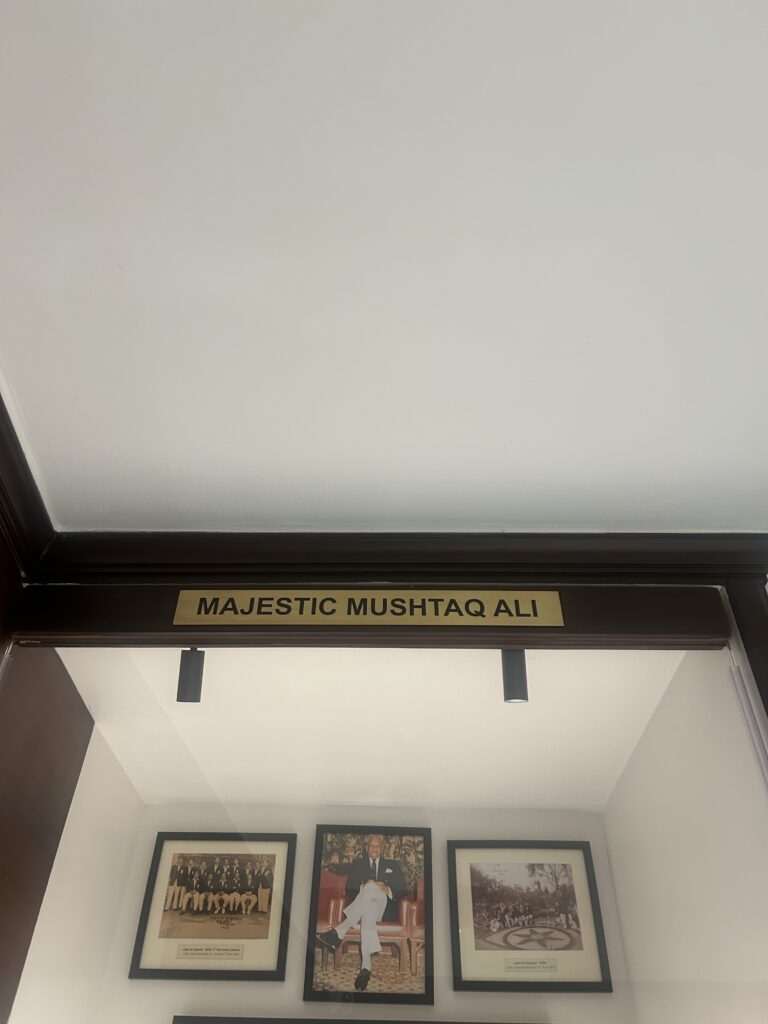
Visitors can also explore bats, helmets, jerseys and shoes used by several modern-day stars, including Virat Kohli, MS Dhoni, Avesh Khan, Rajat Patidar and Venkatesh Iyer. The museum also showcases rare cricket literature and photographs, along with memorabilia from World Cup-winning teams and Ranji Trophy champions.
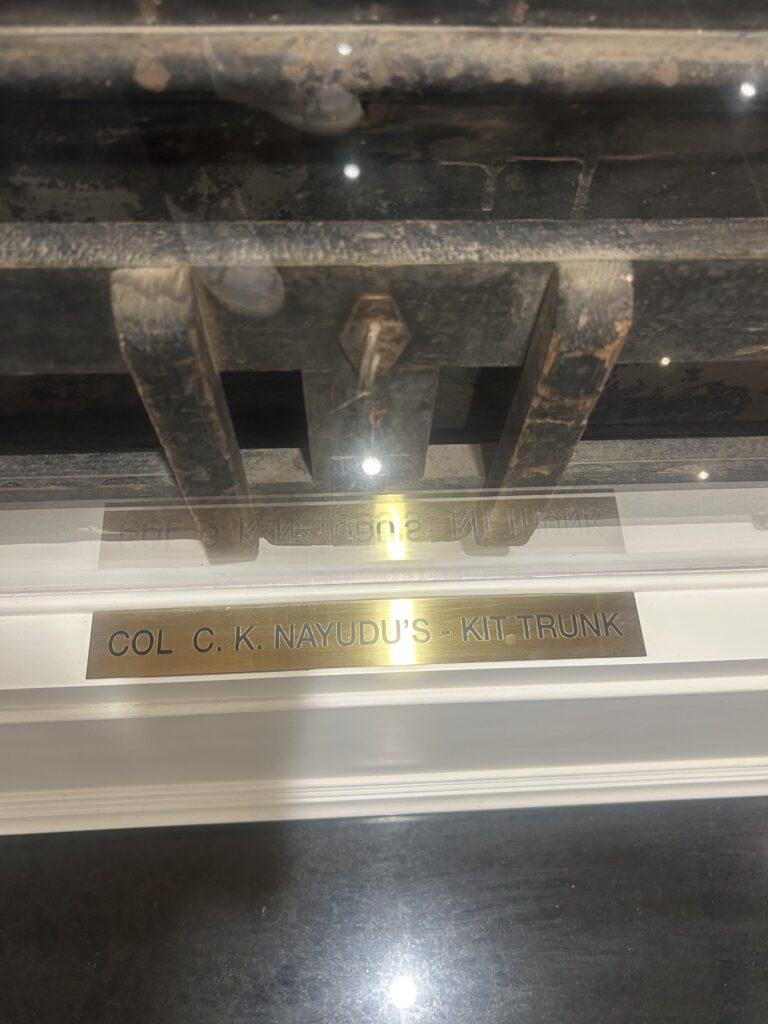
One of the most striking sections of the museum is dedicated to Colonel C.K. Nayudu, India’s first Test captain. A statue of Nayudu welcomes visitors at the entrance, while his 30-kg iron kit bag—so heavy that it required two people to carry—stands as a reminder of cricket’s early days. His bats, coat and other personal belongings are also on display.
The museum also houses the bat used by Kapil Dev during his legendary unbeaten 175 against Zimbabwe in the 1983 World Cup, one of the most iconic innings in Indian cricket history. Other unique exhibits include a piece of the stump from the famous 1986 India-Australia tied Test and the broken bat used by Suresh Raina during a match in 2008.
A dedicated section celebrating women’s cricket has also been created, highlighting the remarkable growth of the women’s game in India and the achievements of Indian women cricketers over the years.
With its rich collection of historic memorabilia and interactive displays, the Indore Cricket Museum promises to be a must-visit destination for cricket lovers, offering a unique glimpse into the game’s glorious past while celebrating its modern-day heroes.