

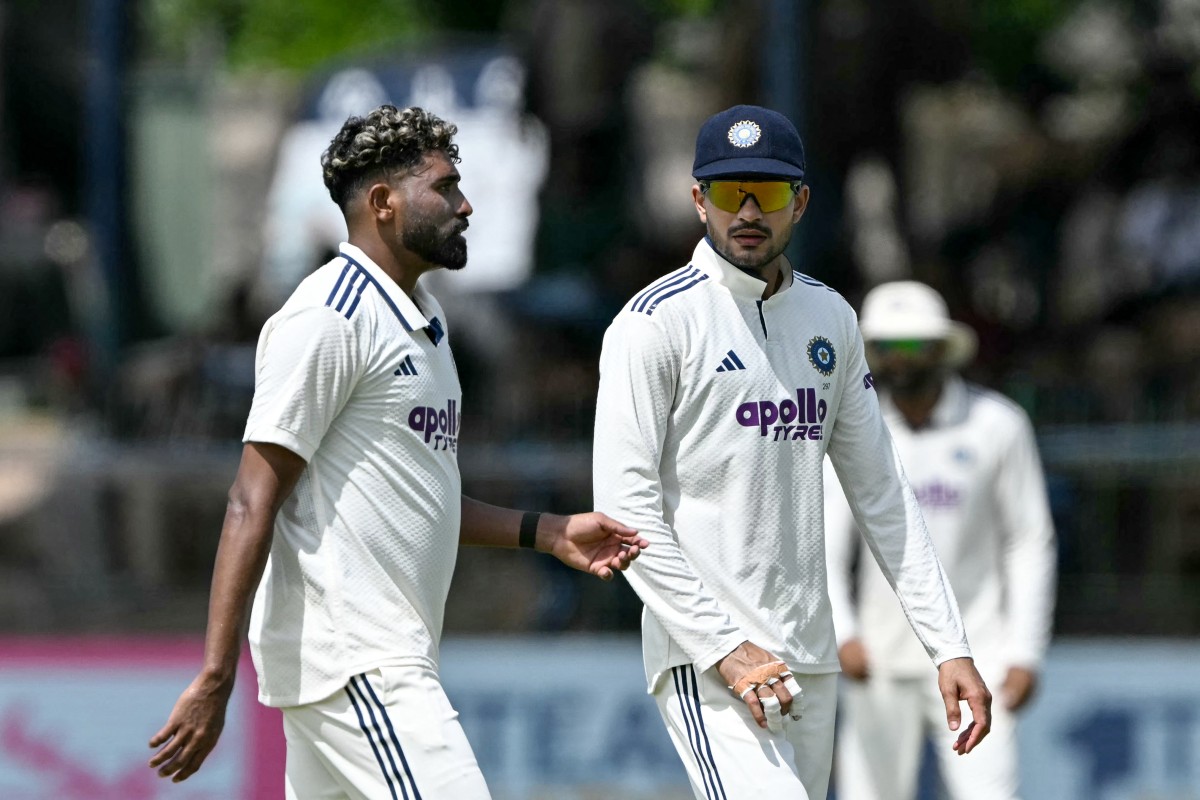

Mohammed Siraj Dropped From IND vs NZ 1st Test: India’s decision to leave Mohammed Siraj out of the playing XI for the opening Test against New Zealand in Wellington sparked considerable debate ahead of the contest. The team management opted for Jasprit Bumrah, Prasidh Krishna, Akash Deep and Anshul Kamboj as its four specialist fast-bowling options, leaving the experienced Siraj on the bench.
Former India captain Sunil Gavaskar questioned the selection call, citing Siraj’s experience and consistent contributions to the national team. However, batting coach Sitanshu Kotak has defended the decision, explaining that the management selected its combination by considering the demands of all five days rather than focusing exclusively on the conditions at the start of the match.
Kotak dismissed suggestions that Siraj’s omission reflected concerns about the fast bowler’s form or fitness. He maintained that the management believed the selected combination offered the best balance for the Wellington Test.
“There is nothing wrong with Siraj. We thought this was the best XI when we picked the side. I don’t think dropping Siraj was a wrong decision. This is just the first day. We don’t pick a team only for day one, but also for days two, three and four,” Kotak told reporters.
India went into the contest with Bumrah leading a pace attack that included three relatively younger options in Krishna, Deep and Kamboj.
Kotak also explained the reasoning behind including Washington Sundar in the playing XI. New Zealand’s batting combination featured several left-handed players, prompting India to prefer the off-spinner as an additional bowling option.
“We preferred Washy as their top order had four left-handers. For this match, this is the best possible bowling attack,” he said.
The decision gave India another spin option alongside its four-man pace attack, with Sundar expected to exploit the match-up against New Zealand’s left-handed batters.
India initially appeared to have made the right call after Bumrah and the other fast bowlers troubled New Zealand’s top order. The hosts slipped to 70/5, with Bumrah accounting for three important wickets.
However, the visitors struggled to maintain the same intensity as the ball became older and conditions changed. Henry Nicholls and Glenn Phillips took advantage, producing an unbeaten 173-run partnership to lift New Zealand to 243/5 at stumps on Day 1.
Nicholls finished unbeaten on 113, while Phillips was approaching his century on 94 not out.
Kamboj’s bowling speed also became a talking point, with the young pacer operating largely in the 126-130 kmph range. Kotak, however, indicated that speed figures should not become the sole measure of his effectiveness.
“Yes, pace matters only in the third spell. Kamboj’s speed is 130, 128, maybe a few balls at 126. That’s fine,” he said.
The batting coach also backed Krishna despite the Karnataka pacer’s tendency to concede runs while adopting an attacking approach. Kotak argued that the bowler’s willingness to search for wickets should be considered while assessing his performances.
“Prasidh, we know, is an attacking bowler and we know he would go for a few runs. When he gets wickets, we like it. When he gets hit, we don’t like it. That’s an unfair way to look at him,” he said.
Explaining India’s inability to sustain its early advantage, Kotak pointed towards the changing weather and pitch conditions. According to him, the sunshine accelerated the drying of moisture on the surface, reducing the assistance available to the Indian bowlers.
He also acknowledged that New Zealand’s batters showed considerable discipline, particularly against India’s spin options, while making better use of the conditions as the day progressed.
“Since the weather was good and it was a sunny day, the moisture dried up quicker than it happens. They batted well. Give them credit. They didn’t even chance against the spinner. The new ball had more help for the bowlers,” he said.
India will now need early wickets on Day 2 to prevent Nicholls and Phillips from converting their partnership into a substantially bigger first-innings total. The coming sessions will also provide a clearer picture of whether the team management’s decision to leave Siraj out was justified over the course of the match.





